
about us
What is [demand] adaptation
The short version
Our definition of adaptation is simple
We view adaptation ventures as those that offer products or services whose demand increases as the weather gets hotter and more volatile.
It’s also deliberately broad
And broader than what most people picture when they hear climate adaptation or climate tech. It captures markets people don’t usually fit under climate: cooling and cold-chain logistics, grid hardening, crop protection, coastal reclamation, indoor air quality. The common thread is a demand curve that bends upward as the physical world changes.
We split this into three lanes
Resilience (products that reduce damage before events occur), repair & recovery (products and services that restore essential systems after events), and demand adaptation (what people are buying to live well in a hotter, more volatile world).
Demand adaptation is where the biggest untapped opportunity is
This is the most understudied and underfunded of the three lanes, and where we think the biggest venture opportunities are. Think new solutions for cooling and thermal management, air quality and filtration, cold supply chains for food and medicine.
The long version
Our definition of adaptation is simple and broad
Most definitions of climate adaptation come from policy. They focus on risk management, reducing harm and adjusting. They’re useful for governments and institutions, but they miss what’s in front of us: climate change is creating predictable, growing demand in specific categories. Isolate the companies whose revenue rises as conditions worsen, and the returns can be abnormal. Now, of course we don’t want conditions to worsen, but we do want to make sure humanity can thrive in a hotter, more volatile world, and seeing the attractive side of adaptation investing can drive more capital into the space and both scale solutions while driving economic growth.
Going back to definitions. To us:
Adaptation ventures are those that offer products or services whose demand increases as the weather gets hotter and more volatile.
This reframes the question around spending. Someone in a hotter city, with a more fragile grid, needs more efficient cooling. A food distributor will seek cold chain solutions. With more frequent wildfires, both homes and public venues will add air filtration and smoke detection. None of those consumers are thinking, “I am adapting to climate change.” They’re just solving a problem they now face. Demand adaptation is the market forming around those problems.
The three lanes of climate adaptation investing
The common thread is a demand curve that bends upward as the physical world changes.
We split this into three lanes:
Resilience.
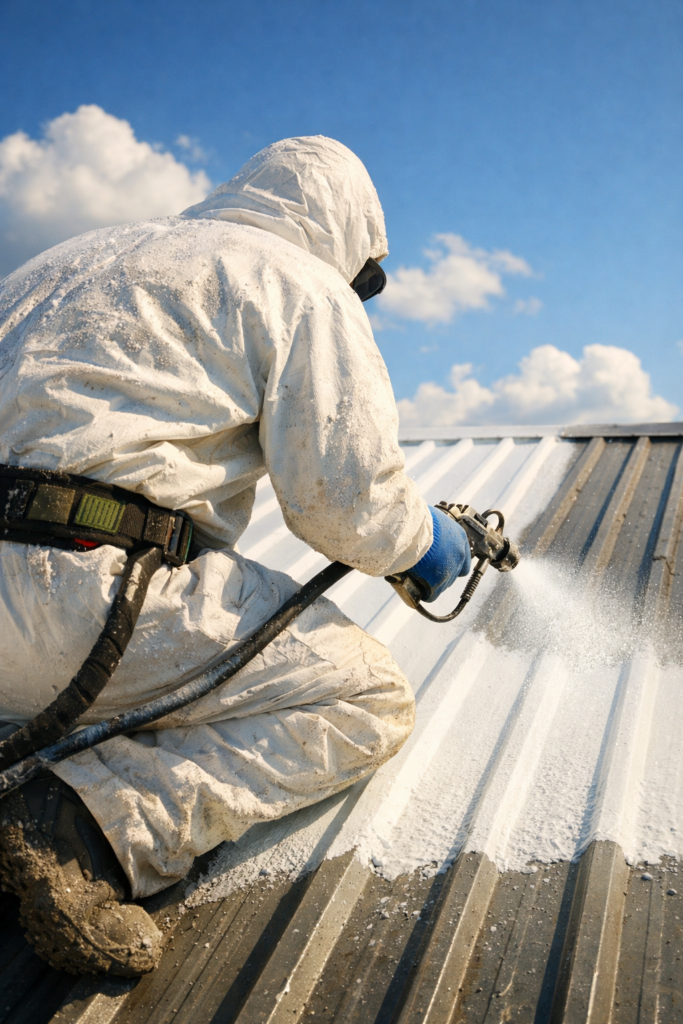
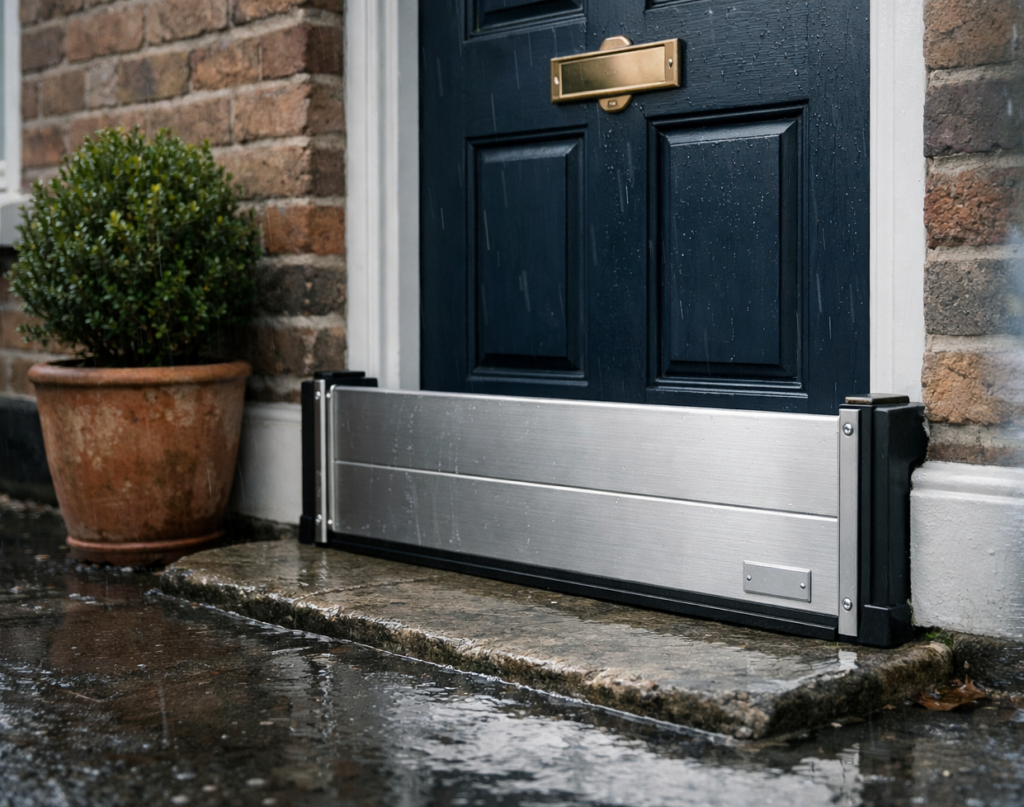
Products that reduce damage before events occur. Flood, fire and wind-resistant building components, reflective and cooling materials, water storage, treatment, and irrigation. This gets most of the institutional attention today.
Repair & Recovery.
Products and services that restore essential systems after events: mobile microgrids and power restoration, rapid-deploy shelter, water and cleanup systems.
Demand adaptation.
What people are buying to live well in a hotter, more volatile world. Cooling and thermal management, air quality and filtration, cold supply chains for food and medicine. This is the most understudied and underfunded of the three, and where we concentrate.
How demand adaptation companies create value
Demand adaptation companies sell what people and businesses are already looking for as climate impacts become part of daily life. When temperatures rise, people want cooling. When water becomes scarce, they look for alternatives. When weather disrupts supply chains, companies want more reliable routes to market. These are needs and wants people will pay for today, unlike resilience, which asks them to pay now for benefits they may realize later.
Because the buyer’s motive is a present need rather than a future risk, these companies can win by being better, faster, or cheaper, with no green premium.

Why the demand adaptation lens matters
If you invest in reducing risk, you are underwriting a cost. If you invest in demand adaptation, you are underwriting revenue that grows as physical conditions change and people’s preferences shift with them.
Markets form around what people will pay for, out of their own self-interest. The winning solutions will win because they are better, faster, and/or cheaper. We need to make sure those winners are also better for everyone: cooling that is energy-efficient and accessible rather than an energy drain; water solutions built around access and conservation rather than profiting from scarcity. Adaptation is going to happen either way; the opportunity is in shaping how.
The scale of the opportunity
Tailwind estimates the demand adaptation opportunity at roughly $650 billion. The World Resources Institute finds that every dollar invested in adaptation can yield net economic benefits of between $2 and $10. The UN estimates the world needs $0.5 to $1.3 trillion a year in adaptation investment by 2030. Much of that is not infrastructure spending, it’s products and services people will buy.
Cold-chain logistics, personal cooling, and smart water management are each growing quickly as heat and volatility move from occasional shocks to permanent conditions. Read more about our thesis here.